Established Since 1991
Long Island Water Heater Replacement For More Dependable Hot Water
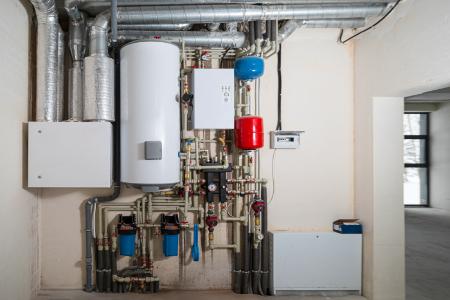
Water Heater Installation Services Across Nassau And Suffolk County
Most homeowners do not think about replacing their water heater until the system begins struggling to keep up with everyday routines. Running out of hot water during showers, waiting longer between uses, or noticing inconsistent temperatures throughout the day are often signs that the equipment is no longer operating efficiently. Replacing an aging water heater can help improve daily comfort while reducing the frustration caused by unreliable performance.
Metro Heating & Air Conditioning, Inc provides water heater replacement services throughout Cold Spring Harbor, East Meadow, Bellmore, Bethpage, and surrounding Long Island communities. Whether your current system is nearing the end of its lifespan, leaking, or simply no longer keeping pace with household demand, our team helps homeowners compare replacement options that fit both the home and everyday hot water usage.
Older water heaters often continue operating long after efficiency and recovery performance have already started declining. Working with a knowledgeable HVAC contractor helps homeowners better understand when replacing the system may become more practical than continuing to repair aging equipment. Our water heater replacement services help Long Island homeowners improve hot water consistency, recovery speed, and everyday household comfort.
Financing Available
Signs Your Water Heater May Be Reaching The End Of Its Lifespan
Water heaters usually show warning signs before complete failure occurs. In many homes, those early problems begin with inconsistent temperatures or reduced hot water availability during busy parts of the day. As the system ages, internal wear and sediment buildup often make it harder for the equipment to recover efficiently after repeated household use.
Some homeowners also notice visible corrosion, moisture near the tank, or louder operating noises that continue getting worse over time. While maintenance can help extend the life of a water heater, older systems eventually become less dependable as internal components continue wearing down.
Common warning signs include:
- Hot water running out faster than before
- Long recovery times between showers or appliance use
- Rust-colored water from hot water fixtures
- Water pooling near the base of the tank
- Unusual tank noises during operation
- Inconsistent water temperatures throughout the home
- Repeated repair concerns involving the same system
Recognizing these warning signs early often gives homeowners more time to compare replacement options before dealing with a complete loss of hot water unexpectedly.
Choosing A Water Heater That Matches Household Demand
Not every household uses hot water the same way. Larger families, homes with multiple bathrooms, and properties with higher daily appliance usage often place much heavier demand on water heaters throughout the day.
Choosing the right replacement system involves more than simply replacing the existing tank with the same size unit. Household usage patterns, recovery expectations, and long-term efficiency goals all play a role in selecting equipment that can keep up consistently. An HVAC contractor can help homeowners compare recovery expectations and sizing requirements based on actual daily water usage.
During the replacement process, our team may evaluate:
- Daily household hot water usage
- Number of bathrooms and occupants
- Current recovery performance concerns
- Available installation space
- System age and efficiency goals
- Existing plumbing and utility connections
Proper sizing helps homeowners avoid situations where the system struggles during heavier usage periods or wastes unnecessary energy operating beyond what the home actually requires.
Contact Us Today!
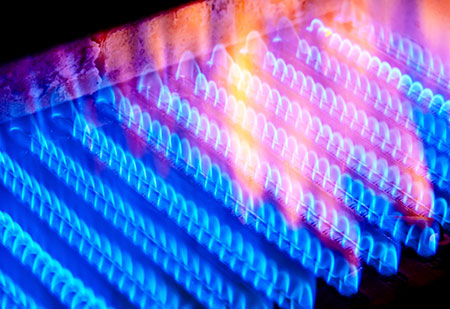
Comparing Traditional and Tankless Water Heater Options
Many homeowners replacing older water heaters also begin comparing whether a traditional storage tank or tankless system better fits the needs of the home. Each option offers different advantages depending on usage habits, available space, and long-term expectations.
Traditional water heaters store heated water inside a tank so it remains available throughout the day. Tankless systems heat water as it is needed instead of storing it ahead of time, which can help conserve space while supporting continuous hot water production under the right conditions.
Factors homeowners often compare include:
- Hot water usage patterns
- Recovery expectations during busy periods
- Available installation space
- Long-term operating efficiency
- Household size and fixture demand
- Maintenance and equipment lifespan expectations
Understanding how the household actually uses hot water day to day helps determine which type of system may perform more effectively over time. Working with an HVAC contractor also helps homeowners understand how installation requirements may differ between system types.
Why Older Water Heaters Often Become Less Reliable Gradually
Many water heaters do not fail suddenly without prior warning. In most cases, performance gradually changes over several years as sediment accumulation, internal corrosion, and heating wear continue affecting the system from inside the tank.
Homeowners may slowly adapt to these changes without immediately realizing how much performance has declined. Longer waits for hot water, reduced shower duration, and inconsistent temperatures often become more noticeable during colder months or periods of heavier household demand.
Replacing an aging water heater before a major leak or breakdown occurs often helps homeowners avoid water damage concerns and unexpected disruptions to daily routines.
For systems that are still operating reasonably well overall, routine water heater maintenance may help extend equipment lifespan while monitoring long-term performance changes.
Preparing The Home For A New Water Heater Installation
Installing a replacement water heater involves more than simply disconnecting the old tank and connecting a new one. System sizing, utility connections, ventilation requirements, and installation access all affect how smoothly the replacement process moves forward. An HVAC contractor may also identify ventilation or connection concerns that should be corrected before installation begins.
Our team evaluates the installation area carefully while identifying any conditions that could affect long-term performance or future service access. This helps homeowners avoid installation problems that may create efficiency or maintenance concerns later.
Homes preparing for colder seasons often schedule furnace maintenance around the same time as water heater replacement, so multiple household comfort systems are addressed together before winter demand increases.
Why Choose Metro Heating & Air Conditioning, Inc
Homeowners across Long Island continue to work with our team because we focus on clear communication and consistent results. We don't take a one-size-fits-all approach to HVAC service. Instead, we evaluate each system based on its condition and recommend solutions that make sense for the home.
As an experienced HVAC contractor, we understand how important it is for your system to perform reliably. That's why we take the time to explain our findings, outline your options, and complete the work with attention to detail. Our goal is to provide service you can rely on without unnecessary complications.
Values Customer Satisfaction
Reliable & Efficient HVAC Systems
Frequently Asked Questions
Find answers to commonly asked questions about our services:

How Long Does A Typical Water Heater Last?
Many traditional water heaters last around 8 to 12 years, though lifespan depends on maintenance history, water quality, household usage, and overall system condition.
What Are the Signs A Water Heater Should Be Replaced?
Common signs include leaking, inconsistent hot water, rust-colored water, long recovery times, excessive noise, and repeated repair issues involving the same system.
Can A Larger Water Heater Improve Hot Water Availability?
Possibly. The right system size depends on household demand, fixture usage, and recovery expectations. Proper sizing helps improve overall hot water consistency throughout the home.
Are Tankless Water Heaters Better Than Traditional Tanks?
Both options have advantages depending on the home and daily usage patterns. Some households benefit from continuous hot water production, while others prefer the storage capacity of traditional tank systems.
Our Team in Action
Projects Coming Soon!
Helpful Tips
-
Water Heater Repair vs. Replacement: How to Decide
If your showers turn lukewarm or the tank starts making strange noises, the big question pops up fast: fix it or swap it? For many Long Island homes, the right call depends on age, reliability, safety, and where the heater sits in your house. This guide […]
-
3 Signs It’s Time To Look For A New Water Heater
If you and your family are like most homeowners, you rely on your hot water heater for a great deal of the comfort and convenience you enjoy from your Long Island home on a daily basis. From cooking, to cleaning, and even bathing, you expect a […]