Heat Pump Systems Designed For Modern Home Comfort in Long Island
Heat Pump Installation Support Across Nassau And Suffolk County
Many homeowners are replacing older HVAC equipment with heat pump systems that provide both heating and cooling from a single setup. Modern heat pumps are designed to improve energy efficiency, maintain steadier indoor temperatures, and reduce the need for separate seasonal equipment. At Metro Heating & Air Conditioning, Inc, we help homeowners compare heat pump options based on comfort goals, home layout, and long-term performance expectations. As an experienced HVAC contractor, our team can also help homeowners compare system efficiency and installation options more accurately.
We install heat pump systems throughout Cold Spring Harbor, East Meadow, Bellmore, Bethpage, and surrounding Long Island communities. Whether you are upgrading an older heating system, remodeling your home, or planning a more efficient HVAC solution, our team works with homeowners to identify heat pump systems that fit both the property and daily comfort needs.
Unlike traditional HVAC setups that separate heating and cooling into different systems, heat pumps are designed to handle both functions through one integrated system. This flexibility has made them an increasingly popular option for homeowners looking to modernize aging equipment while improving year-round comfort.
Choosing an experienced HVAC contractor can make it easier to compare heat pump configurations, efficiency levels, and installation options before committing to a full system upgrade. Our heat pump services help homeowners throughout Long Island create more efficient, consistent indoor comfort throughout every season.
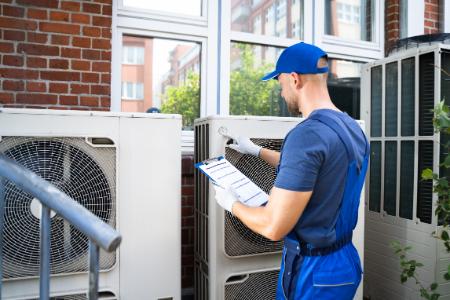
Why Heat Pumps Are Replacing Older HVAC Systems
Older HVAC systems often struggle with rising energy costs, inconsistent temperatures, and repeated repair issues as equipment ages. Many homeowners eventually reach a point where continuing to maintain separate heating and cooling systems becomes less practical than upgrading to a newer all-in-one solution.
Heat pumps have become increasingly popular because they provide both heating and cooling while operating with improved efficiency compared to many older systems. Instead of relying entirely on traditional combustion-based heating methods, heat pumps transfer heat to help maintain indoor temperatures more efficiently throughout the year.
Homeowners often begin considering heat pumps when dealing with:
- Older heating and cooling equipment is nearing replacement age
- Rising monthly utility costs
- Uneven indoor temperatures between rooms
- Frequent HVAC repair appointments
- Outdated systems are struggling during seasonal temperature changes
- Homes using separate heating and cooling equipment
For many households, upgrading to a heat pump is less about following trends and more about improving comfort consistency while simplifying long-term HVAC operation.
Financing Available
Contact Us Today!
Comparing Ducted and Ductless Heat Pump Options
Not every home requires the same type of heat pump system. Some properties already contain ductwork capable of supporting a ducted installation, while others may benefit more from ductless configurations that provide targeted heating and cooling to specific areas of the home.
Ducted heat pump systems often work well for homes that already use central airflow systems. Ductless systems, on the other hand, may offer more flexibility for additions, renovated spaces, older homes, or areas where extending ductwork would be difficult.
During the planning process, our team evaluates factors such as:
- Existing ductwork condition and airflow performance
- Home layout and room configuration
- Areas experiencing uneven temperatures
- Current HVAC equipment limitations
- Energy efficiency goals
- Long-term comfort expectations
Selecting the right configuration helps homeowners avoid installation decisions that may create airflow imbalance, inconsistent temperatures, or unnecessary operating strain later.
How Heat Pumps Handle Both Heating and Cooling
One of the biggest differences between heat pumps and more traditional HVAC setups is the ability to both heat and cool the home using the same system. Instead of operating as separate seasonal equipment, the heat pump adjusts its operation depending on whether indoor spaces need heating or cooling.
During colder weather, the system transfers heat indoors to maintain comfort. During warmer months, the process reverses to remove heat from the home and support cooling performance. Because the system works continuously throughout the year, proper sizing and installation play a major role in overall efficiency and comfort. A qualified HVAC contractor should evaluate airflow balance and system sizing before installation begins.
Many homeowners notice improved comfort consistency because heat pumps are designed to maintain temperatures more gradually instead of relying on abrupt heating and cooling cycles.
Several factors can affect overall heat pump performance, including:
- System sizing and installation quality
- Indoor airflow balance
- Insulation and air sealing conditions
- Thermostat calibration and control setup
- Filter condition and airflow restrictions
Homes experiencing airflow concerns, dust circulation, or inconsistent indoor comfort may also benefit from improving indoor air quality alongside a heat pump installation.
Understanding Rebates and Long-Term Energy Savings
Many homeowners exploring heat pumps are also interested in long-term energy savings and available rebate opportunities. Modern heat pump systems are often eligible for incentive programs designed to encourage energy-efficient HVAC upgrades.
Depending on the equipment selected and current rebate availability, some homeowners may qualify for programs that help offset part of the installation cost. This can make upgrading from older HVAC equipment more financially practical while improving long-term operating efficiency.
Beyond rebate opportunities, many homeowners also choose heat pumps because:
- Newer systems often operate more efficiently than aging HVAC equipment
- Modern controls improve temperature consistency
- Updated systems may reduce long-term operating strain
- Improved airflow management can enhance indoor comfort
- One integrated system simplifies year-round climate control
Comparing both upfront investment and long-term operating costs helps homeowners make more informed decisions about whether a heat pump upgrade fits their property and future comfort goals.
Planning A Heat Pump Upgrade Around Your Home's Needs
Every home responds differently to heating and cooling demands depending on insulation levels, room layout, ceiling height, window exposure, and airflow design. Installing a heat pump without evaluating these conditions properly can lead to uneven temperatures and efficiency problems, even with newer equipment.
Working with an experienced HVAC contractor can help homeowners avoid long-term comfort and airflow issues. Our team evaluates the home as a complete comfort system instead of focusing only on equipment replacement. This helps homeowners better understand how airflow, temperature distribution, and overall HVAC design affect long-term performance.
Homeowners currently operating older systems may also benefit from scheduling regular furnace maintenance while comparing future upgrade timelines and replacement options.
Keeping Heat Pump Systems Operating Efficiently Over Time
Like any HVAC equipment, heat pumps require regular upkeep to continue operating efficiently throughout both heating and cooling seasons. Dirt buildup, airflow restrictions, neglected filters, and general wear can gradually reduce overall performance if the system is not maintained properly.
Routine inspections help identify developing issues before they begin affecting indoor comfort or placing additional strain on the equipment. Preventative service also allows homeowners to monitor how the system is performing over time as seasonal demands change.
Homeowners looking to protect long-term system efficiency often benefit from scheduling professional heat pump maintenance to help keep the equipment operating consistently year-round.
Established
Since 1991
Values
Customer Satisfaction
Reliable
& Efficient HVAC Systems
Frequently Asked Questions
Find answers to commonly asked questions about our services:

Are Heat Pumps Only Used For Heating?
No. Heat pumps are designed to both heat and cool the home using one integrated system. The equipment adjusts its operation depending on the season and indoor temperature needs.
Do Heat Pumps Work Well In Older Homes?
Yes, although system design and airflow planning become especially important in older properties. Some homes may benefit from ductless options if existing ductwork is limited or outdated.
Can Heat Pumps Help Lower Energy Costs?
Many homeowners choose heat pumps because modern systems are often more efficient than aging HVAC equipment. Actual savings depend on the home, insulation levels, system design, and current equipment condition.
What Is The Difference Between Ducted And Ductless Heat Pumps?
Ducted systems use existing airflow ducts throughout the home, while ductless systems provide targeted heating and cooling directly to individual areas. The right option depends on the property layout and comfort goals.
Do Heat Pumps Need Routine Maintenance?
Yes. Because heat pumps operate throughout every season, regular maintenance helps support airflow, efficiency, and long-term system reliability.
Our Team in Action
Helpful Tips
-
Are Heat Pumps Worth It in Long Island, NY? Pros, Cons, and What to Know
If you're weighing heat pumps for your Long Island, NY home, you're not alone. More homeowners from Hempstead to Huntington and from Islip to Brookhaven are asking whether a modern heat pump can handle our damp winters and salty sea breezes. This guide breaks down what […]