Are Heat Pumps Worth It in Long Island? Pros, Cons, and What to Know
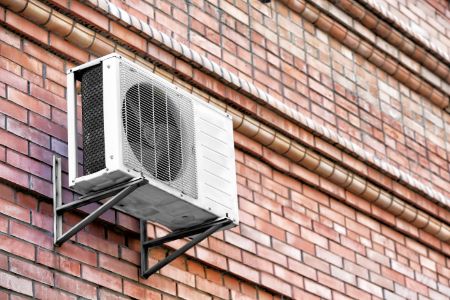
If you're weighing heat pumps for your Long Island, NY home, you're not alone. More homeowners from Hempstead to Huntington and from Islip to Brookhaven are asking whether a modern heat pump can handle our damp winters and salty sea breezes. This guide breaks down what matters most in our area so you can decide with confidence—and know when to call a pro for heat pump installation.
Long Island's weather is unique. We see brisk Atlantic winds, a few heavy snowfalls, salt air near the coasts, and humid summer heat. That mix can be tough on equipment, which is why choosing the right system and the right installer is as important as the decision to buy.
How Heat Pumps Work In Long Island's Climate
Heat pumps move heat rather than generate it from fuel. In summer, they move heat out of the home and cool like a central air conditioner. In winter, they draw available heat from the outdoor air and move it indoors. Thanks to inverter-driven compressors and cold-climate designs, newer models can keep delivering heat even when temperatures dip below freezing, which happens often in Nassau and Suffolk Counties.
In the coldest snaps, some homeowners pair a heat pump with an existing furnace or boiler. This dual-fuel setup lets the heat pump handle most days while the backup heat steps in during rare, deep chills. It's one reason many Long Island homes built decades ago can still adopt modern, efficient comfort.
Pros Of Heat Pumps For Long Island Homes
Here are the advantages homeowners across Smithtown, Oyster Bay, and the South Shore often notice after upgrading:
- Year-round comfort from one system that heats and cools.
- High efficiency that can reduce energy use compared with older oil or electric resistance equipment.
- Even, steady temperatures with fewer hot-and-cold swings.
- Quieter operation, especially with variable-speed compressors.
- Cleaner mechanical room and no on-site combustion for all-electric setups.
Because heat pumps manage humidity well in summer, many homeowners also report better indoor air comfort during muggy stretches along the North Fork and South Fork.
Potential Drawbacks and Common Concerns
Every system has tradeoffs. Knowing them early helps set the right expectations.
- Performance can dip during extreme cold, so proper sizing and cold-climate ratings matter.
- Outdoor units need clear airflow; snow drifts or leaf piles can impact operation.
- Electrical capacity may need evaluation for larger systems or multiple indoor heads.
- Coastal salt air can be tough on outdoor coils without routine care.
Always confirm your home's electrical panel can support the system before you sign a contract. A quick check by a licensed technician avoids surprises and keeps your project on schedule.
Ducted Vs. Ductless Heat Pumps On Long Island
Many pre-war and mid-century homes from Mineola to Bay Shore weren't built with modern ductwork in mind. That's where ductless mini-splits shine. They provide zoned comfort without running new ducts through tight attics or finished basements. For homes with existing, well-sealed ducts, a ducted heat pump can be the smoothest path to a whole-home upgrade with minimal changes inside.
In larger colonials or split-levels, a hybrid approach can be best. For example, a ducted system for main floors plus a ductless head for a sunroom or finished garage. The right layout keeps rooms comfortable without overworking the equipment.
Choosing The Right Size and Features
Heat pumps are not one-size-fits-all. Proper sizing starts with a load calculation that considers the home's insulation, window area, air leakage, and orientation to the sun and wind. On Long Island, wind exposure near the water and shaded, tree-lined streets can change heating and cooling needs from one block to the next.
Look for features that match our climate: variable-speed compressors for efficiency in shoulder seasons, low-ambient heating capability for cold mornings, and corrosion-resistant coatings helpful in salty air zones. Filter access should be simple so regular maintenance is easy to schedule and complete.
Live within a mile or two of the water in places like Freeport, Long Beach, or Port Jefferson? A marine-influenced environment can accelerate wear on outdoor equipment. Ask about corrosion-resistant coatings and plan seasonal rinses to extend your system's life.
What To Expect From A Professional HVAC Consultation
A quality consultation should start with questions about comfort problems in specific rooms and your current utility usage. Your technician should inspect insulation, ductwork, and the outdoor placement to avoid roof runoff or snow drift paths. You'll also review options for thermostats, zoning, and backup heat if your home needs it.
During this visit, it's smart to discuss manufacturer warranties and the maintenance plan that keeps performance high. If you're ready to explore configurations, your consultant can map out timelines and coordinate with any electrical work.
Maintenance That Protects Your Investment
Long Island seasons demand routine care. Twice-yearly professional checkups help maintain efficiency and spot issues early. Filters should be inspected on schedule, and the outdoor unit should remain clear around the base and sides to keep airflow steady.
Don't cover the outdoor unit with a bag or tarp in winter; it needs airflow. If your home sees frequent drifting snow, consider a properly sized stand and a simple wind screen that doesn't block the coil. Your technician can advise on clearances so snow, ivy, and fencing don't pinch the system's breathing space.
When A Heat Pump May Not Be The Best Fit
There are cases where another approach works better. Homes with very leaky envelopes and no plans for air sealing can push a heat pump harder than it should run. Certain historic homes may limit outdoor placement or interior runs for linesets. In areas prone to extended power outages, pairing a heat pump with a reliable backup plan is wise.
That said, combining modest weatherization with a modern system solves most of these concerns. If your family is sensitive to temperature swings or you manage a multi-generation household, zoning options can target comfort where it matters most, from basement suites to third-floor bedrooms.
How Heat Pumps Stack Up On Long Island's Coldest Days
We do get cold snaps, especially inland and away from the water. Today's cold-climate models are designed to maintain heat output even as temperatures fall below freezing. When matched to the home, a properly installed system can carry you through most of winter without relying on backup heat. On the rare single-digit stretch, auxiliary heat or a dual-fuel setup can keep everything steady without oversizing the main unit.
Remember that performance ratings assume clean filters and clear airflow. Snow pushed against the unit or shrubs crowding the coil can make even the best equipment work harder than it should.
Comfort, Noise, and Air Quality Considerations
Variable-speed technology helps smooth out temperature swings and cuts noise both indoors and outdoors. If you live on a narrow lot in places like Garden City or Rockville Centre, whisper-quiet outdoor units can make a big difference for you and your neighbors. Indoors, steady airflow combined with the right filtration can reduce dust movement compared with older, single-speed systems.
Hire a licensed, insured HVAC contractor who understands Long Island housing styles and permitting requirements. Local knowledge helps prevent placement conflicts with setbacks, easements, and shared driveways common in many neighborhoods.
Incentives, Timelines, and What You Control
Rebates and tax incentives may be available, and they can change throughout the year. What you can control is readiness: a recent electrical evaluation, cleared work areas, and decisions made about thermostat locations. Those steps shorten installation timelines and make the first day of operation simple.
If you're comparing systems, keep your notes on model numbers, warranty terms, and maintenance requirements in one place. That makes an apples-to-apples decision easier when proposals arrive.
Are Heat Pumps Worth It In Long Island?
For many homes across Nassau and Suffolk Counties, the answer is yes—especially if you value steady comfort, summer humidity control, and lower energy use compared with older equipment. The key is choosing the right-sized system with cold-climate capability and placing the outdoor unit where wind and snow are less of a problem. Pair that with a service plan, and you'll have reliable comfort in February and August alike.
If you still rely on oil or have rooms that never quite feel right, a tailored plan may deliver the biggest gains. Start with a quick conversation with our local HVAC team to outline options and set priorities for your home's layout and lifestyle.
Next Steps For Long Island Homeowners
Clarity beats guesswork. Gather your last 12 months of utility bills, jot down rooms that run cold or hot, and note any electrical work you've planned. Bring those to your consultation so your technician can size the system to the way you actually live.
If you're ready to explore a specific setup or timeline, our team is here to help from the first site visit to the final walkthrough. We'll keep the process simple and focus on comfort, efficiency, and long-term reliability for your home.
Ready to see if a heat pump is right for your Long Island, NY home? Talk with Metro Heating & Air Conditioning, Inc at 631-667-8181 and get a clear, pressure-free plan today.

Our Complete Services
Established
Since 1991
Values
Customer Satisfaction
Reliable
& Efficient HVAC Systems